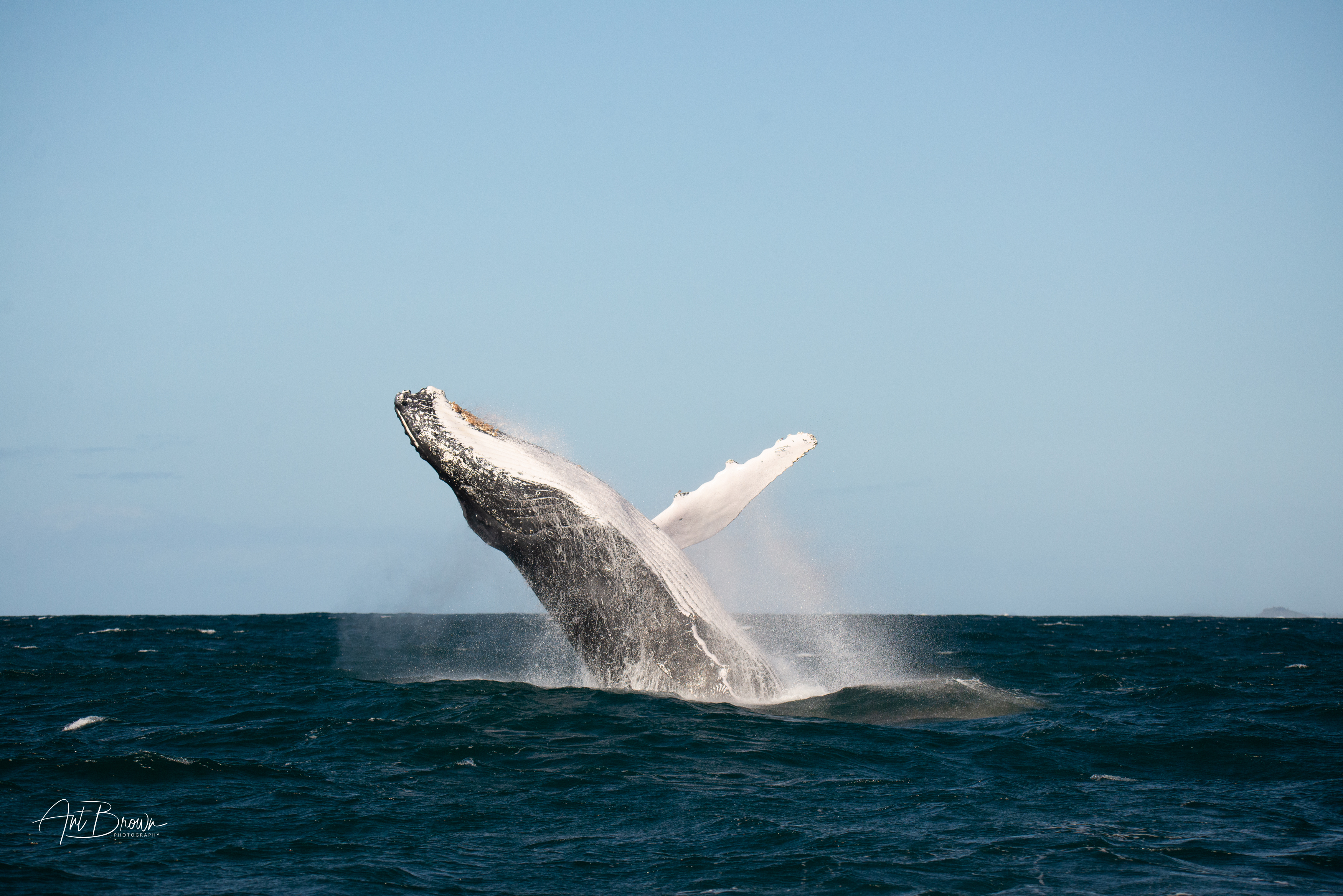
On tour: how to help marine conservation
These are the things we ask of every guest:
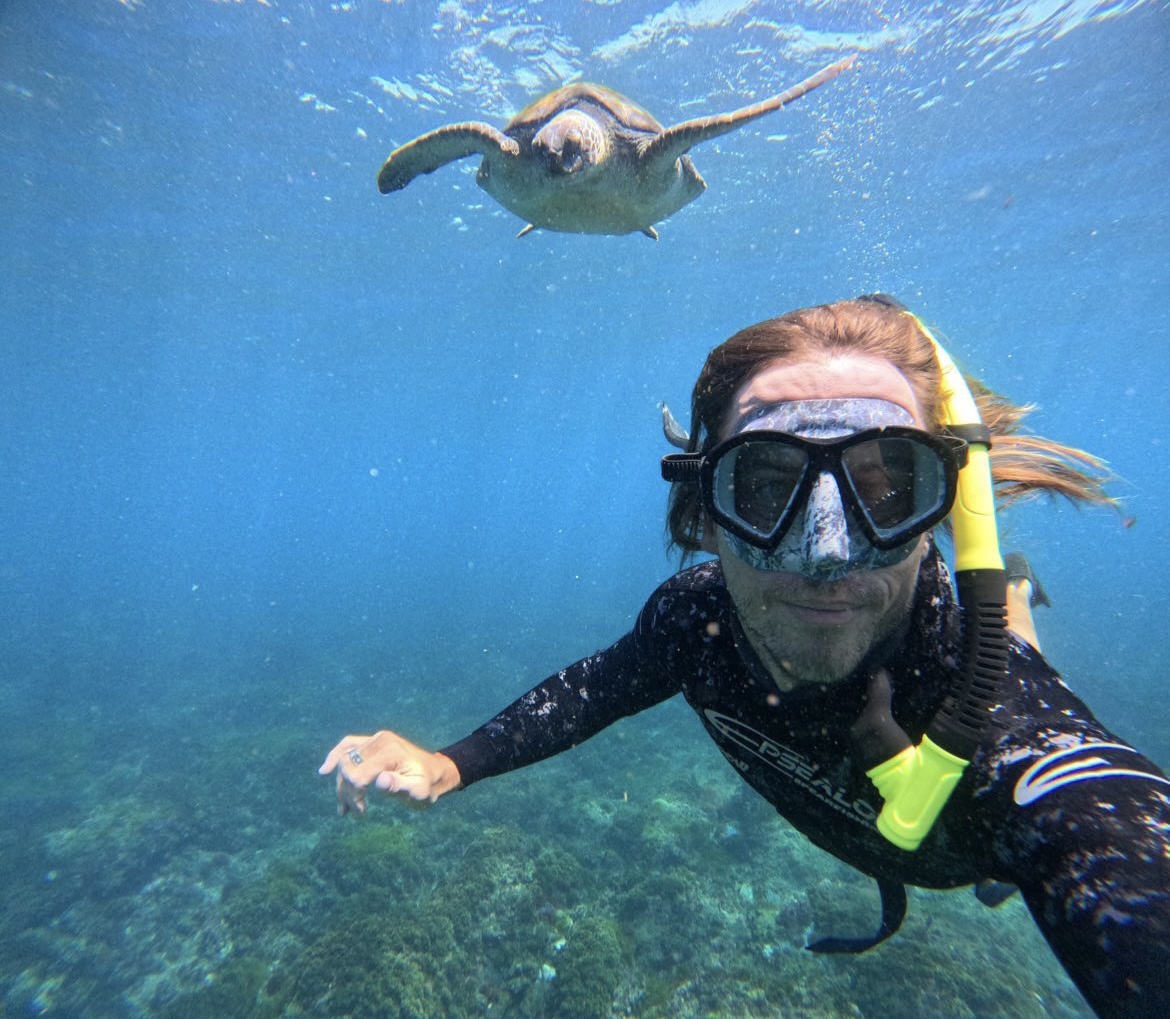
- Listen to the briefing. Every guest is told about the marine life we will see in and out of the water, and the swim briefings cover the rules for the activity. If anything is unclear, ask the crew.
- No touch, no take. Leave every animal, shell and rock as you found it.
- Use the reef safe sunscreen we provide on board. It helps reduce the impact of harsh chemicals on the reef and marine life.
- Bring a refillable bottle. We do not sell bottled water, and you can refill your bottle with us when you arrive.
In the water
- Do not touch or attempt to touch any wildlife.
- No flash photography and no weight belts.
- On whale swims, enter the water softly and quietly, and do not duck dive below the surface.
- Let the animal decide how close it comes.
The full approach is on swimming with whales, respectfully.
Share your photos with science
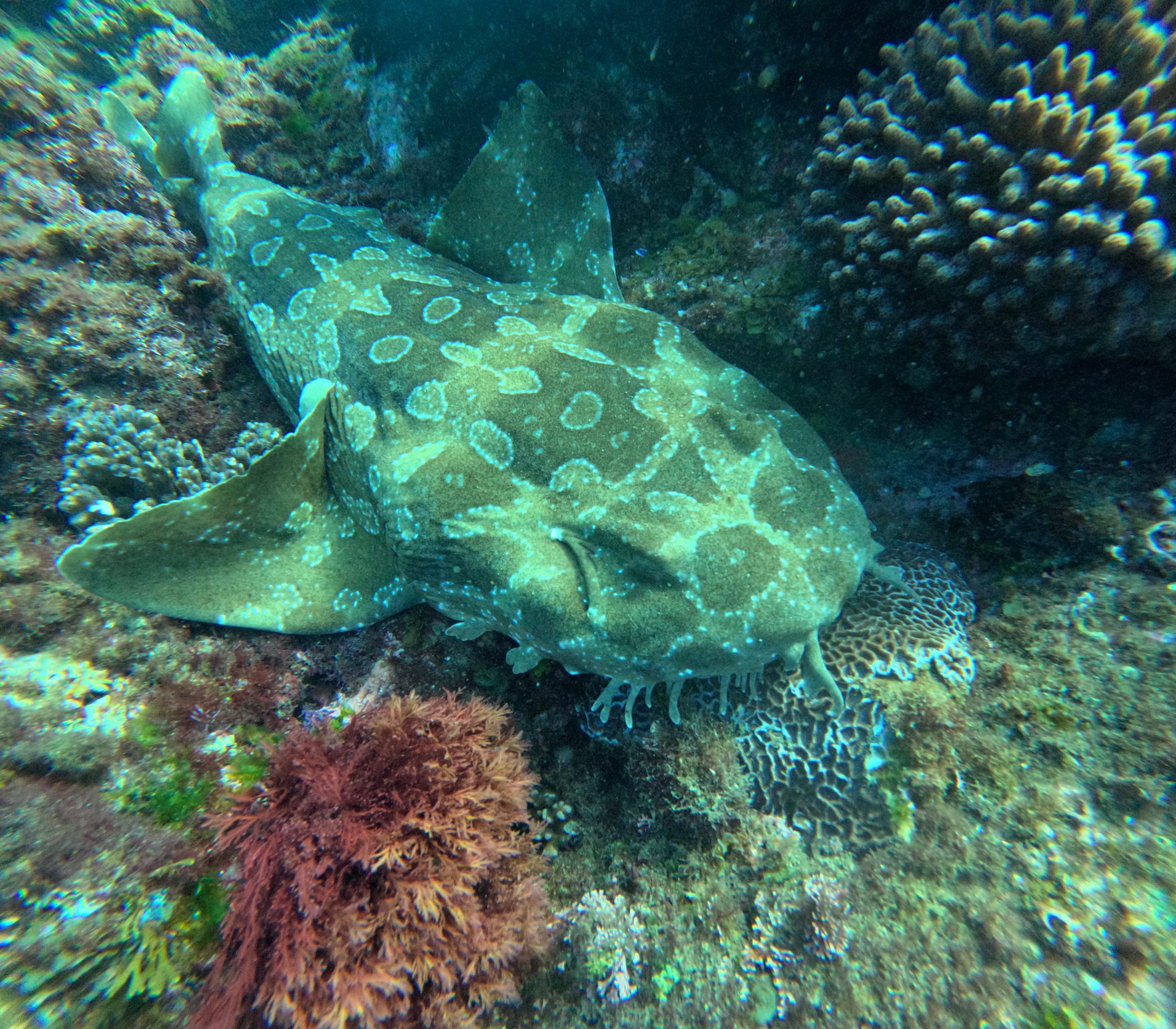
If you photograph the underside of a humpback's tail, send it to happywhale.com. The patterns are unique to each whale, and you get the chance to name a humpback yourself. Snapped a leopard shark at Cook Island? Show the crew. When guests get a shot, we send it to Leopard Sharks Wildbook, which collects data for the east coast of Australia. More on research and citizen science.
At home: suggestions from our crew
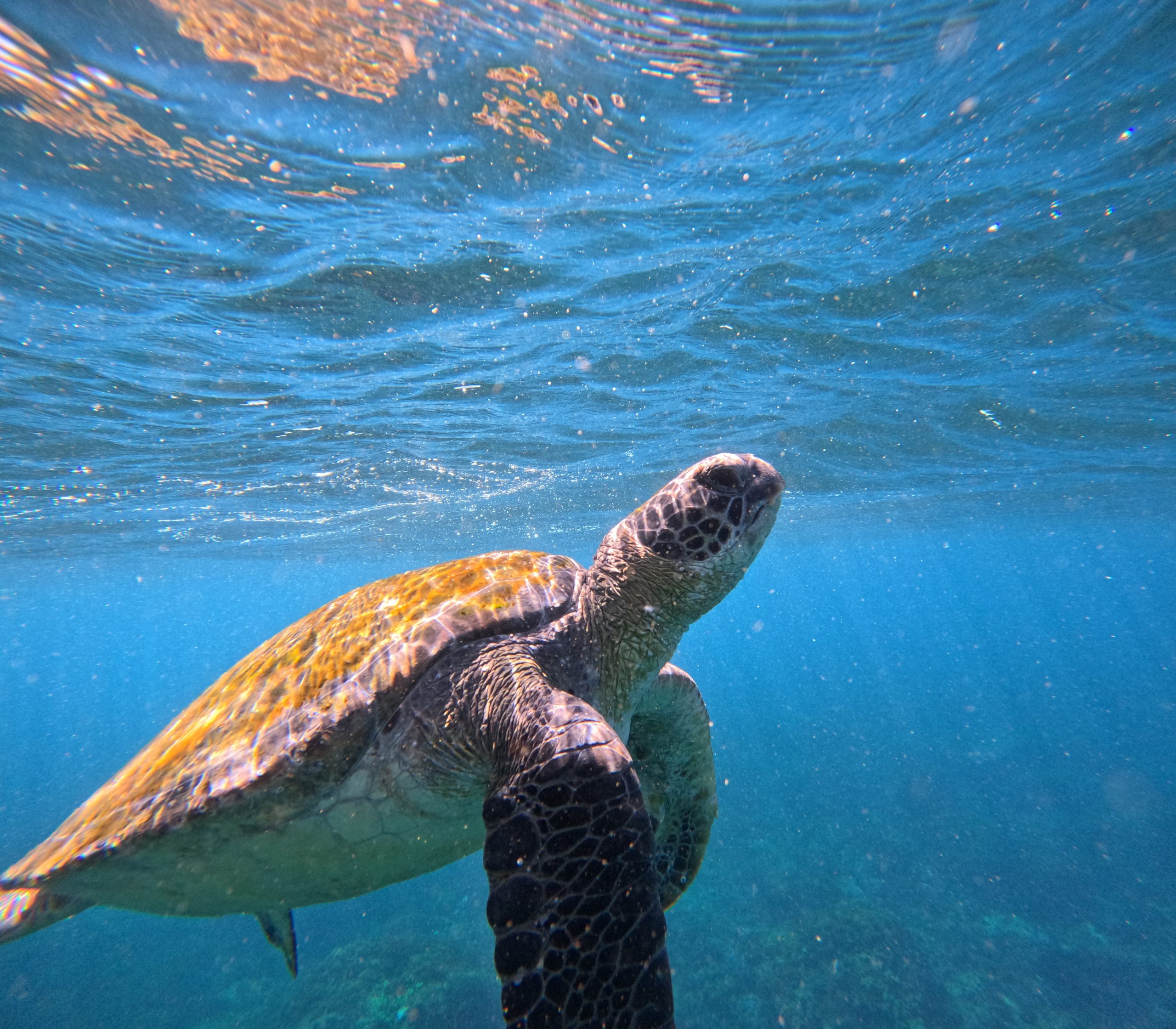
Plastic is a real threat to sea turtles, which can mistake a plastic bag for a jellyfish. These are a few tips our crew like to use. They are suggestions, not rules:
- Act now. If you see some rubbish, pick it up and put it in the bin.
- Use reef safe products.
- Recycle and reuse.
- Use natural or plant based cleaning products.
- Replace plastics with reusable items: bags, food containers, travel cutlery, water bottles and refillable products.
A few more ideas
Some general suggestions if you would like to do more:
- Keep learning. Our news articles cover humpbacks, turtles, sharks and coral reefs.
- Choose small group, eco minded operators when you travel.
- Tell friends what you saw. People protect what they care about.