Whale watching rules in Queensland and New South Wales waters
Our tours depart Chinderah on the Tweed River in New South Wales, about 10 minutes drive from Coolangatta, and the whales we watch travel past both sides of the border. We operate under the whale watching regulations that apply in Queensland and New South Wales waters To confirm with Lachy: which permit and authority, and the exact approach distances in the regulations.
As our FAQ puts it, we have a lot of rules and regulations to follow when watching and swimming with whales, and strict guidelines to follow when approaching them. The rest of this page sets out what that looks like on the boat.
Our whale approach distance
Our published approach distances are simple:
- The boat stays at least 100 metres from a whale.
- Swims use a 30 metre approach.
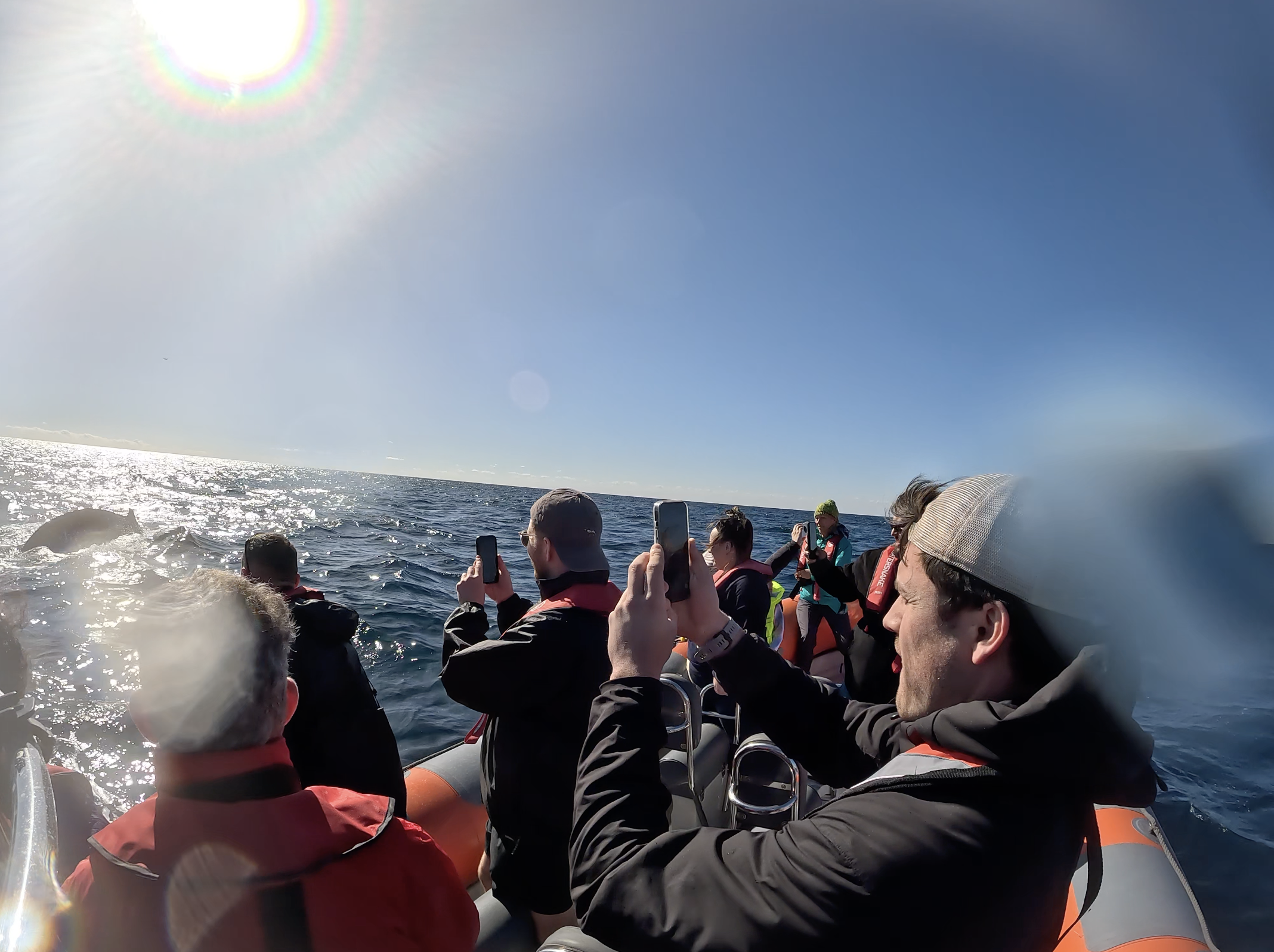
Whales never get a copy of the regulations, of course. Humpbacks are curious, and they often come over for a closer look. When a whale chooses to come to us, that is its choice, not ours. To confirm with Lachy: any extra rule you follow around mothers and calves, and any speed rule near whales
No chasing, and the whale decides
We do not chase, touch or disturb whales for the sake of getting close. We let the whales decide if they would like to interact with us. On our swim tours we put it this way: we don't swim with whales, the whales swim with us.
Some pods stay and watch the boat for up to an hour, a behaviour known as a mugging. To confirm with Lachy: how long the boat may stay with one whale or pod, and how long swimmers may stay in the water
Engines and speed
Our 32ft RIB runs two 2025 Suzuki 250hp engines with ultra low emissions, serviced and updated regularly for efficiency and minimal emissions. The boat can travel at up to 35 knots (65 km/h) between sightings, and the captain decides the safe speed at any given time during the day.
Guests often notice how quiet it can be. One reviewer, Vanessa Hall Boman, wrote: "Being able to be on the ocean in total silence and hear the whales was a such a special experience."
No touch, no take
A no touch, no take policy runs on all tours to keep disturbance to marine life to a minimum, and every guest is told about the marine life they will see in and out of the water. Our terms ask every swimmer and snorkeller not to touch or attempt to touch any wildlife, and weight belts and flash photography are not permitted. On whale swims, guests also agree not to duck dive below the surface.
Turtles, dolphins and Cook Island
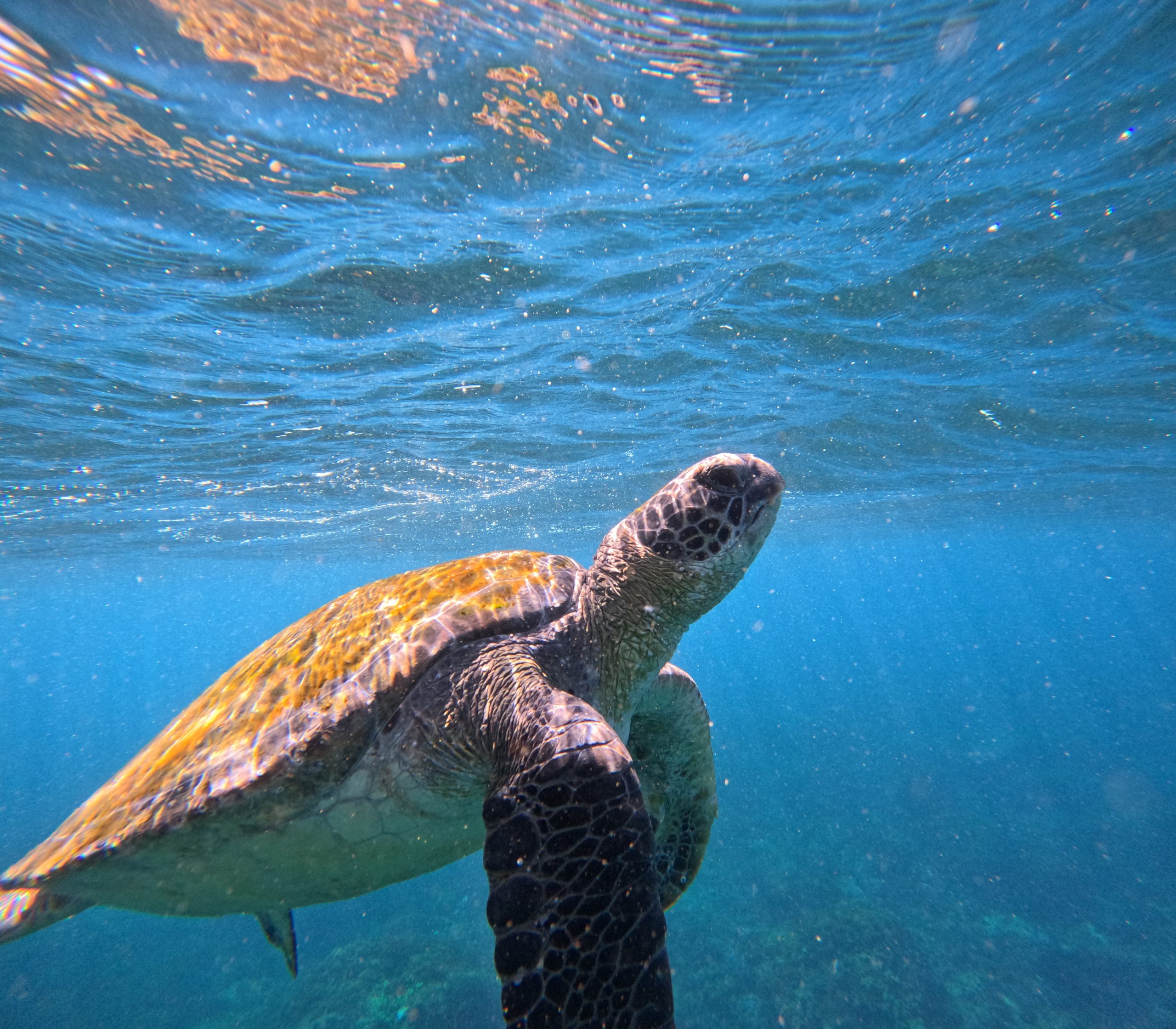
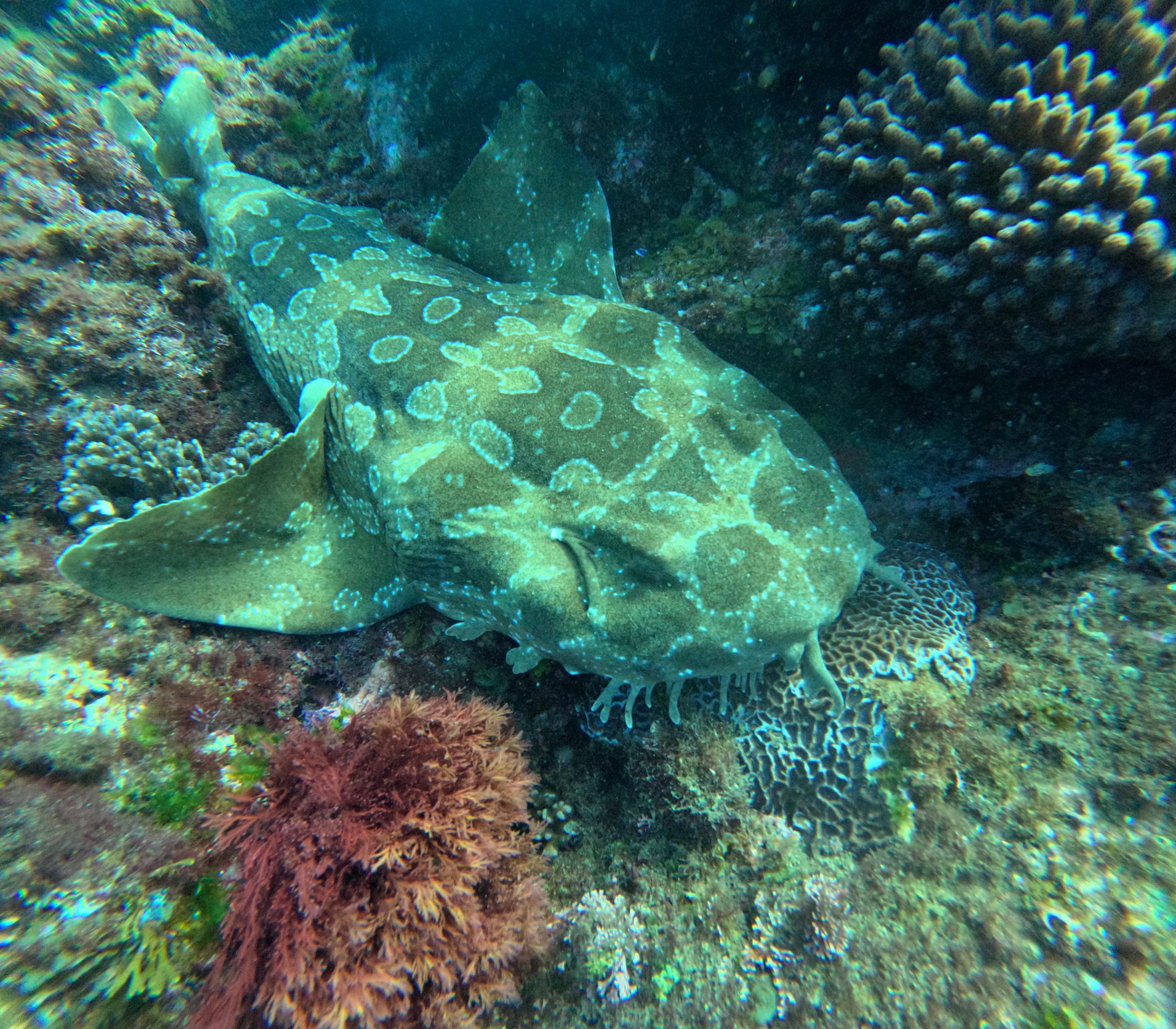
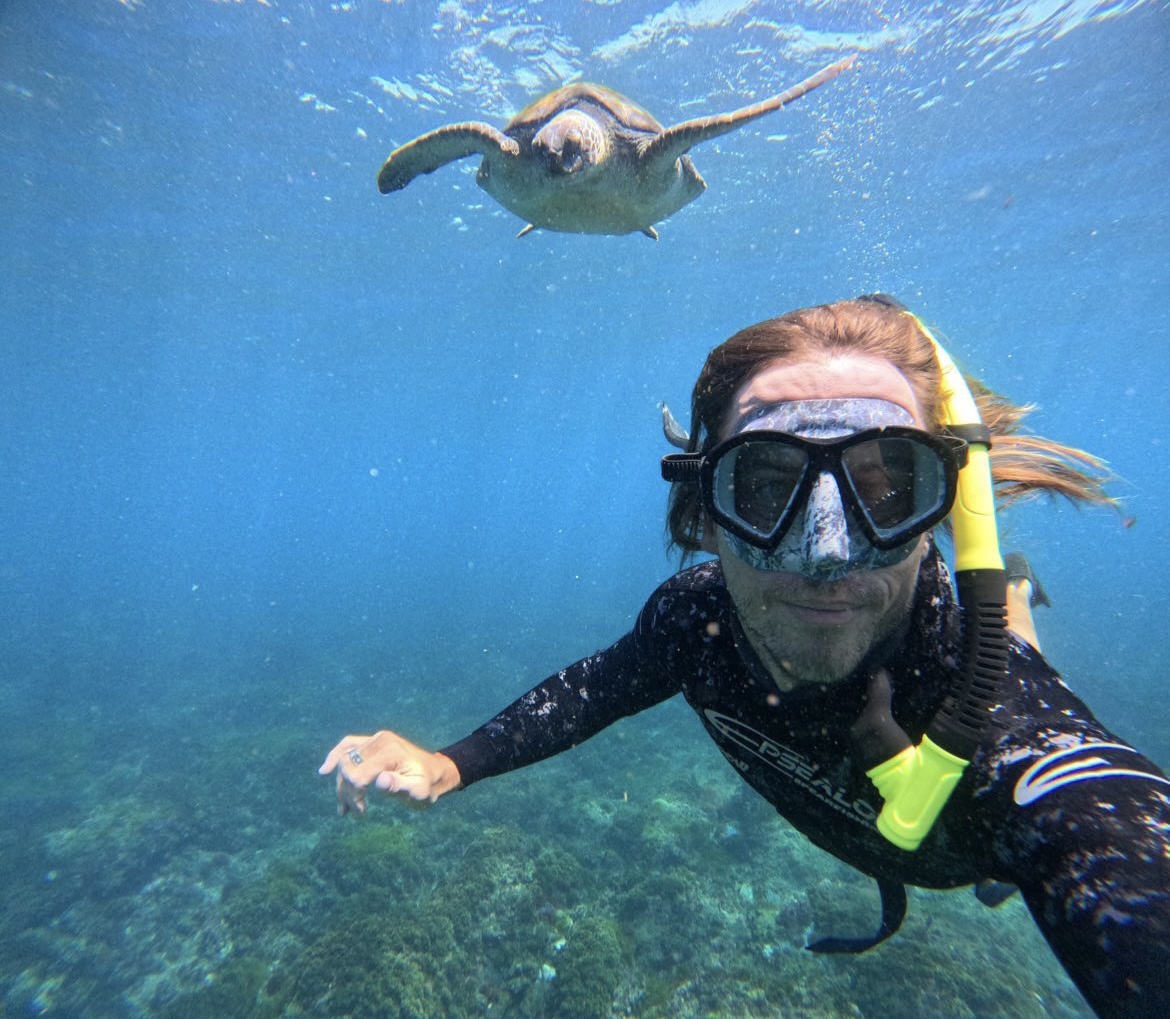
Our turtle tours visit Cook Island Aquatic Reserve To confirm with Lachy: correct spelling of the Cook Island Aboriginal name (the site uses Jungarra Ngarrian, Joongarra-Ngarrian and Joongurra-Narrian) and which people to credit, about 600 metres off Fingal Head in New South Wales. The sea turtles in our waters are a protected species, and our guides are in the water with you, constantly assessing the conditions and wildlife. Our 2021 turtle guide also notes that we avoid swimming near nesting sites during the winter season, April to August. To confirm with Lachy: the Cook Island Aquatic Reserve rules the crew enforce (no fishing, no feeding, turtle distance, no standing on the reef) and any dolphin interaction rules
More questions
Do you chase whales to get closer?
No. We do not chase, touch or disturb whales for the sake of getting close. We let the whales decide if they would like to interact with us.