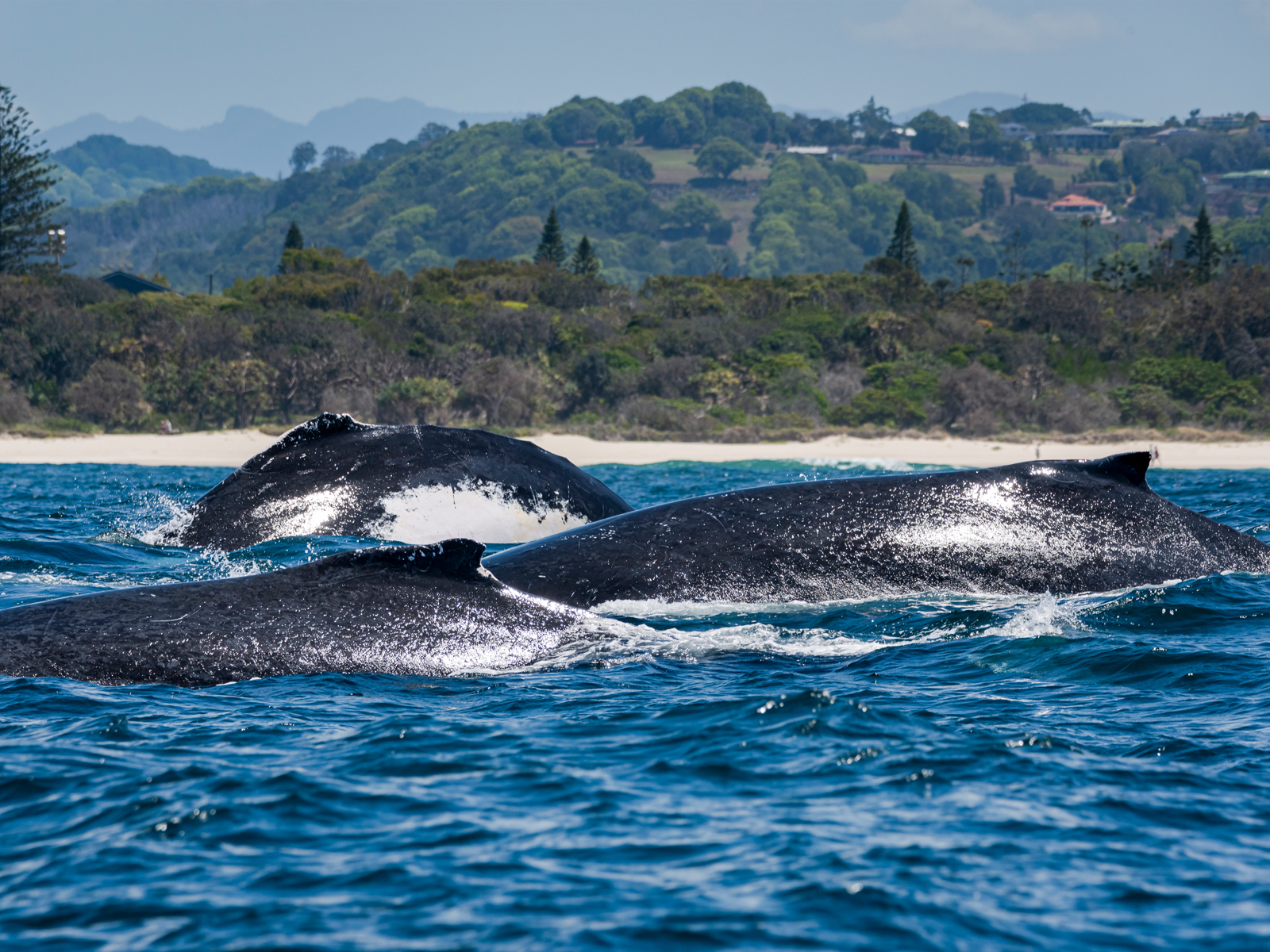
Whale research on the Gold Coast, from our boat
We have been contributing to whale, dolphin and turtle research for more than eight years To confirm with Lachy: which organisations receive your research contributions besides Happywhale and Leopard Sharks Wildbook, since when, and what the 8+ years counts from. Our tours run daily through the whale season, weather and tide permitting, which puts our crew and guests in a good position to record what passes the southern Gold Coast and the Tweed.
Happywhale: help identify a humpback
Humpbacks have patterns on their pectoral fins, bellies and the underside of their tails that are unique to each whale. If you are out on the water with us and photograph the underside of a tail, you can send it to happywhale.com, where you also get the chance to name a humpback yourself.
Tips on taking and sharing that photo are on what you can do.
Leopard Sharks Wildbook
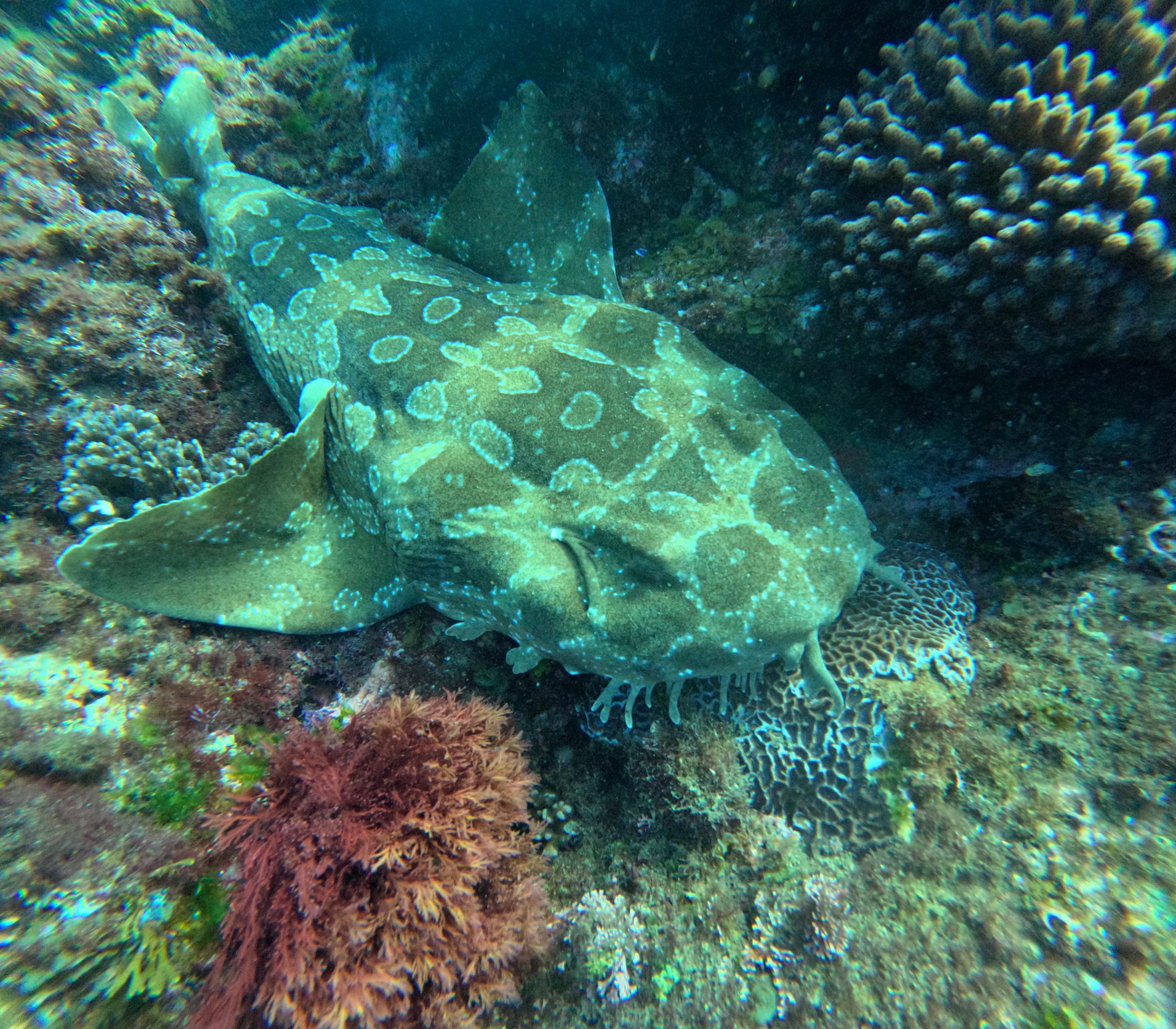
Leopard sharks are a regular sight on our snorkel tours around Cook Island, and they have been classified as endangered by the International Union for Conservation of Nature since 2015. Every chance we get to photograph one, or when a guest on a snorkel trip snaps a shot, we send it to leopardsharkswildbook.org, which collects the data for the east coast of Australia.
What we have learned on the water
Closely studying and swimming with whales has helped us understand them better. Two articles on our site, written by Lachy, share some of it:
- Cow and calf sightings have become more common from Surfers Paradise to Coolangatta. Where humpbacks were once seen breeding mainly in the Great Barrier Reef, we have found them calving 1,000 km further south, in the Gold Coast Bay.
- From our experience studying humpbacks closely off the Gold Coast, it is believed they have a special cornea that lets them see as well above the water as below.
Education on every tour
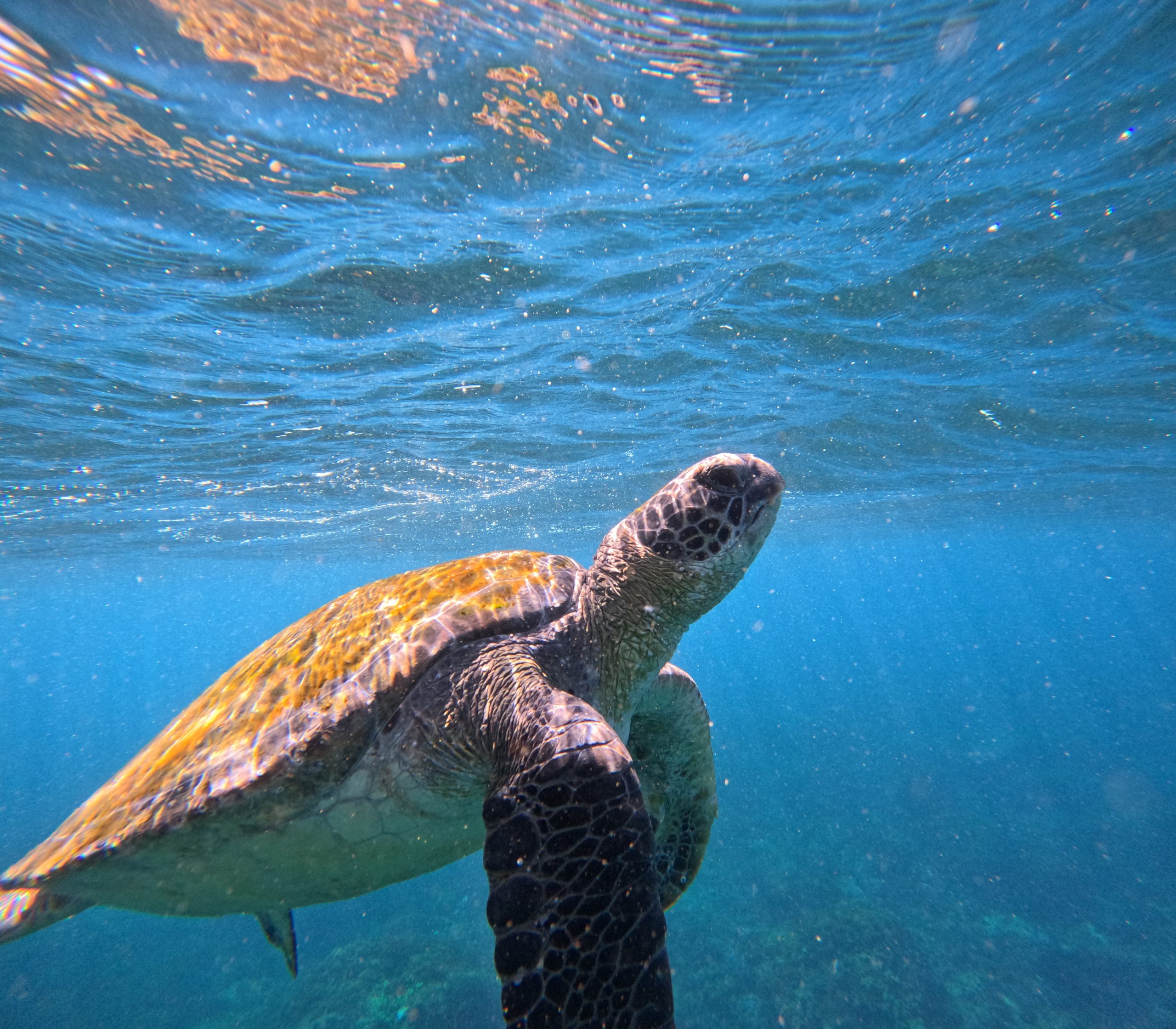
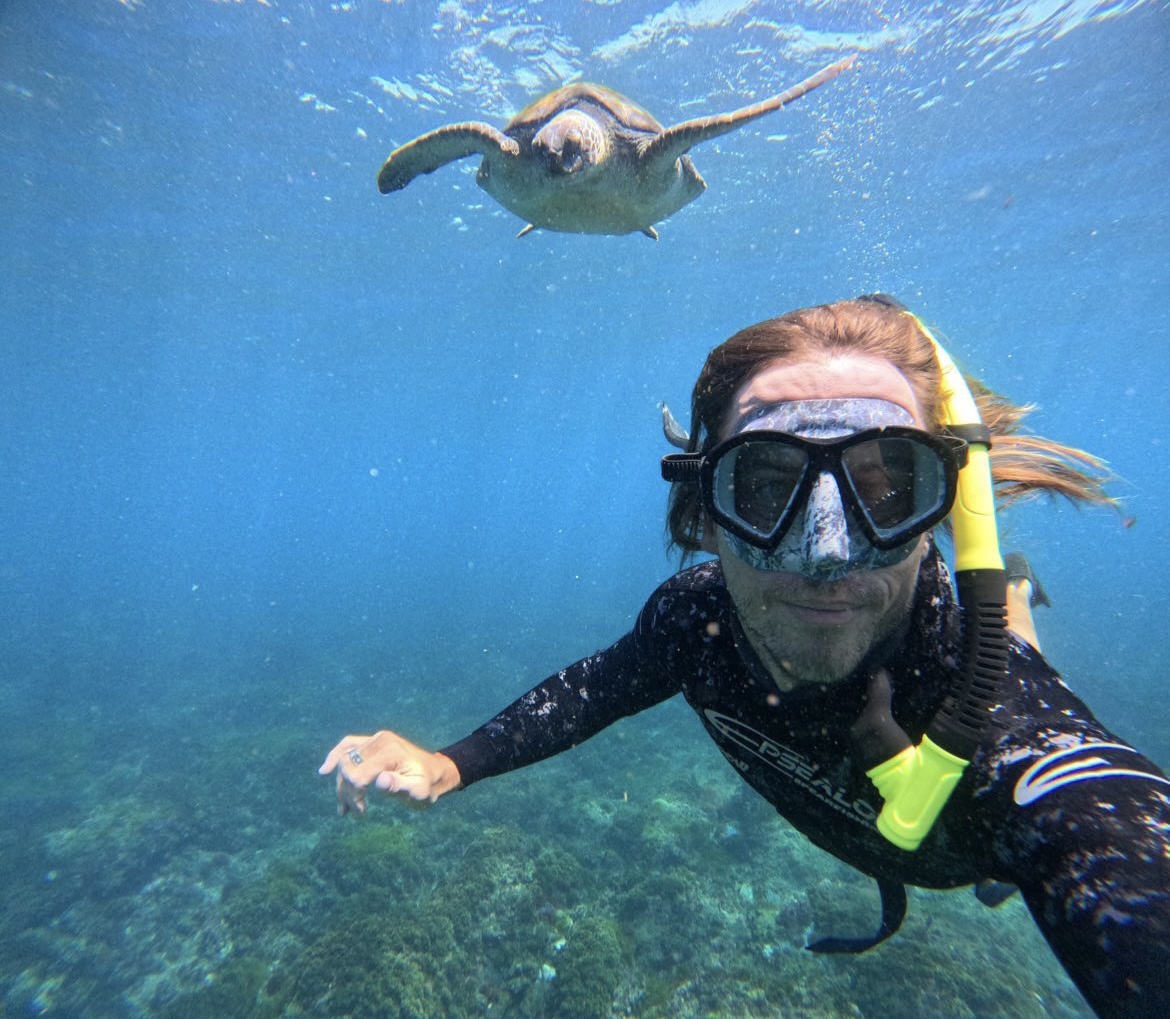
Our whale watching tours include commentary from an on-board naturalist on all things whale and ocean conservation. On the swim with whales tour, commentary also covers Australian Aboriginal and European history and the local area. On every snorkelling tour off Coolangatta you will not only swim with turtles, you will learn how you can help protect them.
We would love to work with more researchers. To confirm with Lachy: any researchers, universities, conservation groups or media (beyond Juice 107.3) who have been on board
More questions
Can I name a humpback whale?
Possibly. If you photograph the underside of a humpback's tail on tour, you can send it to happywhale.com, where you get the chance to name a humpback yourself.