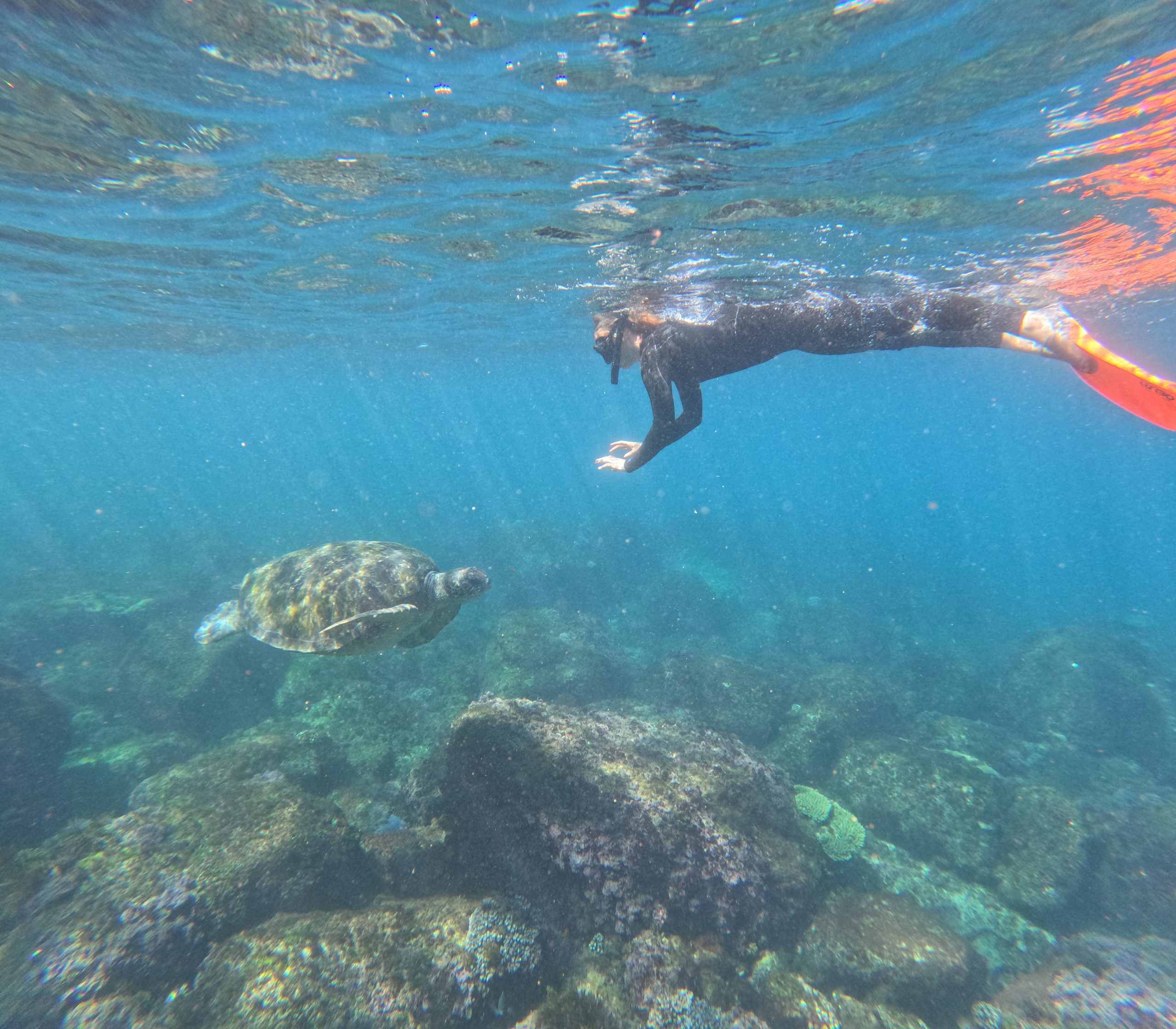
Do you like to snorkel and immerse yourself in the underworld world? Are you a fan of Turtles and enjoy learning about sea life? Well you’re not alone there! There is so much to learn from the ocean while enjoying all that it offers. Turtles are incredible little survivors from the minute they hatch. They embark on an epic solo journey, scrambling along the sand with their tiny fins from the dunes to the ocean overcoming all kinds of obstacles, from foot print sand driftwood to crabs, while hoping to also avoid predators from the sky. Once they reach the ocean they’ve got a whole bunch more predators to worry about in addition to their general survival needs. In fact it’s estimated only 1 in 1000 hatchlings will survive to adulthood!
With so many natural adversities for these ancient reptiles it’s distressing to learn of the effects the pollution that fills our waterways each year can have on the turtle population. From chemicals and untreated waste to oil spills and plastics, these pollutants are making turtles susceptible to disease and death and greatly affecting their numbers.
While it’s devastating information to hear, knowledge is also power! The Cooly Eco Adventures team takes this notion very seriously and that’s why on every snorkeling tour off Coolangatta you’ll not only swim with turtles, you’ll learn how you can help save these beautiful creatures.
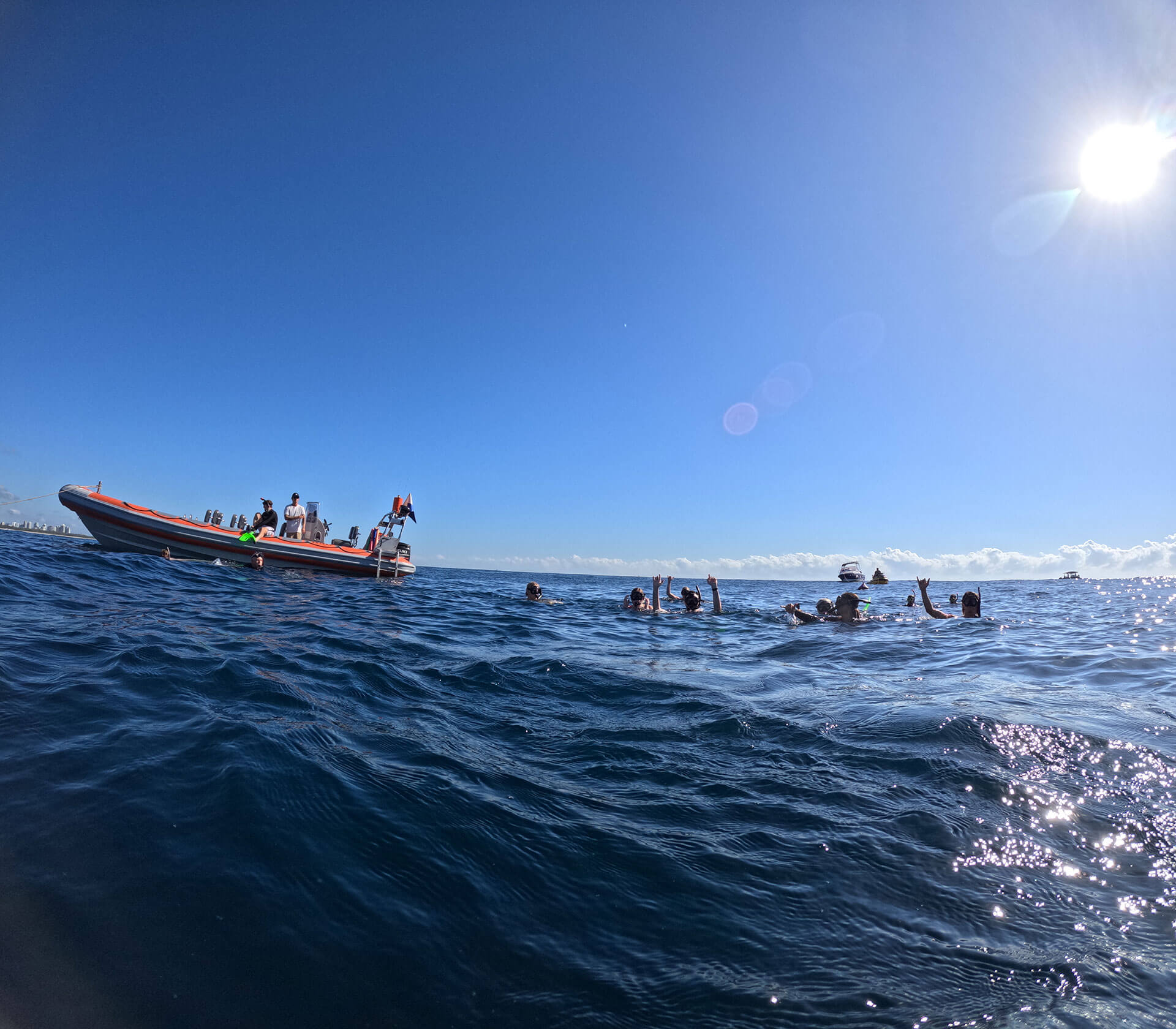
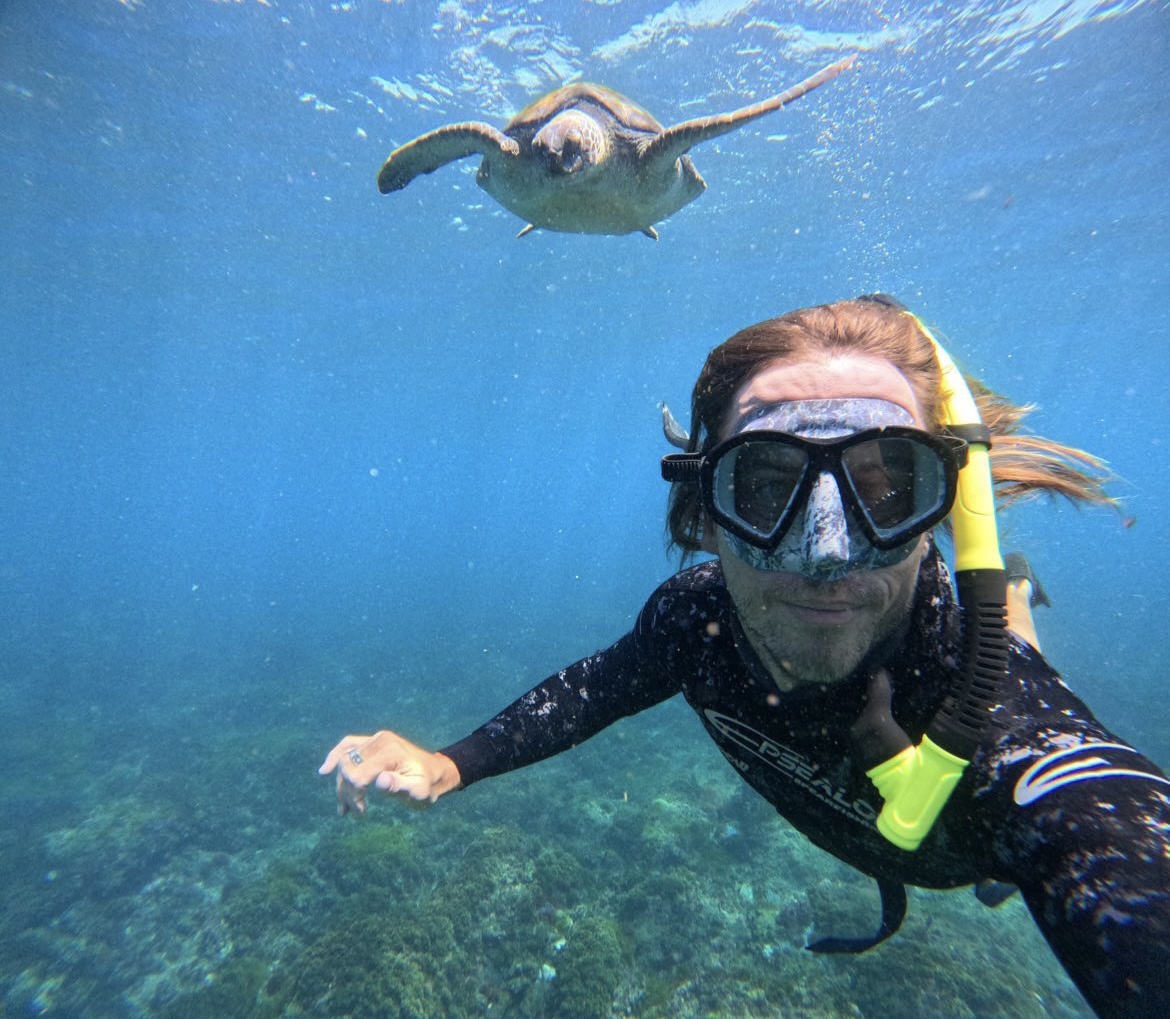
Our favourite spot for turtle spotting and swimming is a little island just off the Gold Coastand the coast of Tweed Heads, NSW called Cook Island. With our passionate skipper and crew you’ll learn all kinds of fun turtle and marine facts before joining these cruisy sea animals in the water for your Cook Island Snorkeling tour!
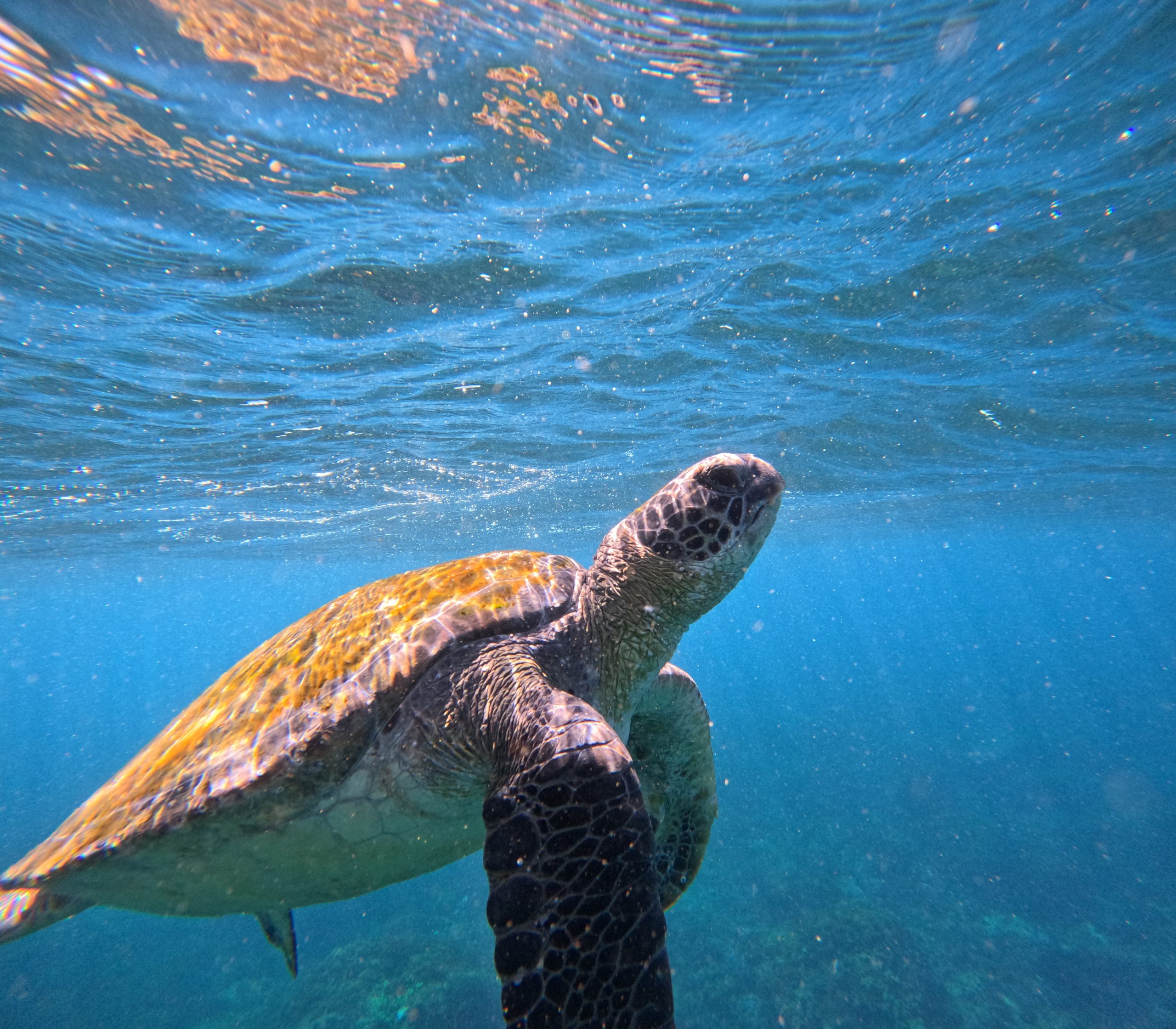
Many people don’t realise there are seven species of sea turtle in total and we’re lucky to swim with a few of them daily. The Green Turtle, Hawksbill and Loggerhead are regular residents when snorkelling here off the Gold Coast and love feeding on sea grass and algae that surrounds the Island, making it a perfect place to jump in and swim with these charming creatures.
Turtles are also known to eat jellyfish! Fun Fact Alert - when jellyfish are ingested by turtles they give off a narcotic effect, providing a little chill out sesh dudes….one wonders if this may have been Pixar’s inspiration behind the iconic sea turtle character ‘Crush’ in Finding Nemo.
Sadly this fun fact leads us back to something more serious. With a turtle’s understandable desire to veg out on jellyfish and the growing amount of plastics in our oceans, our special little turtle friends don’t know the difference between a plastic bag or other plastic item and a jellyfish. In fact, researchers estimate that over half of the sea turtle population in the world has ingested plastic, causing life-threatening problems and decreasing the overall population. With the Gold Coast leading as the undisputed tourist capital of Australia, there are still growing amounts of plastics ending up in our northern rivers and oceans yearly.
With this being said, there are many things we can do individually or as a family to help cutdown on the use of plastics and be reef safe!
Here are a few tips our crew like to use:
- Act now! Don’t wait for a better time!
- See some rubbish, pick it up & dump it properly!
- Use reef safe products!
- Recycle/ Reuse!
- Use natural/ plant based cleaning chemicals!
- Replace plastics with reusable items; Bags, Tupperware, Travel cutlery, Water bottles, Re-fillable products, etc…
These are just a few new habits you can do in your everyday life to help save our graceful friends so we can keep ticking ‘Swimming with turtles’ off everyone’s bucket list!!