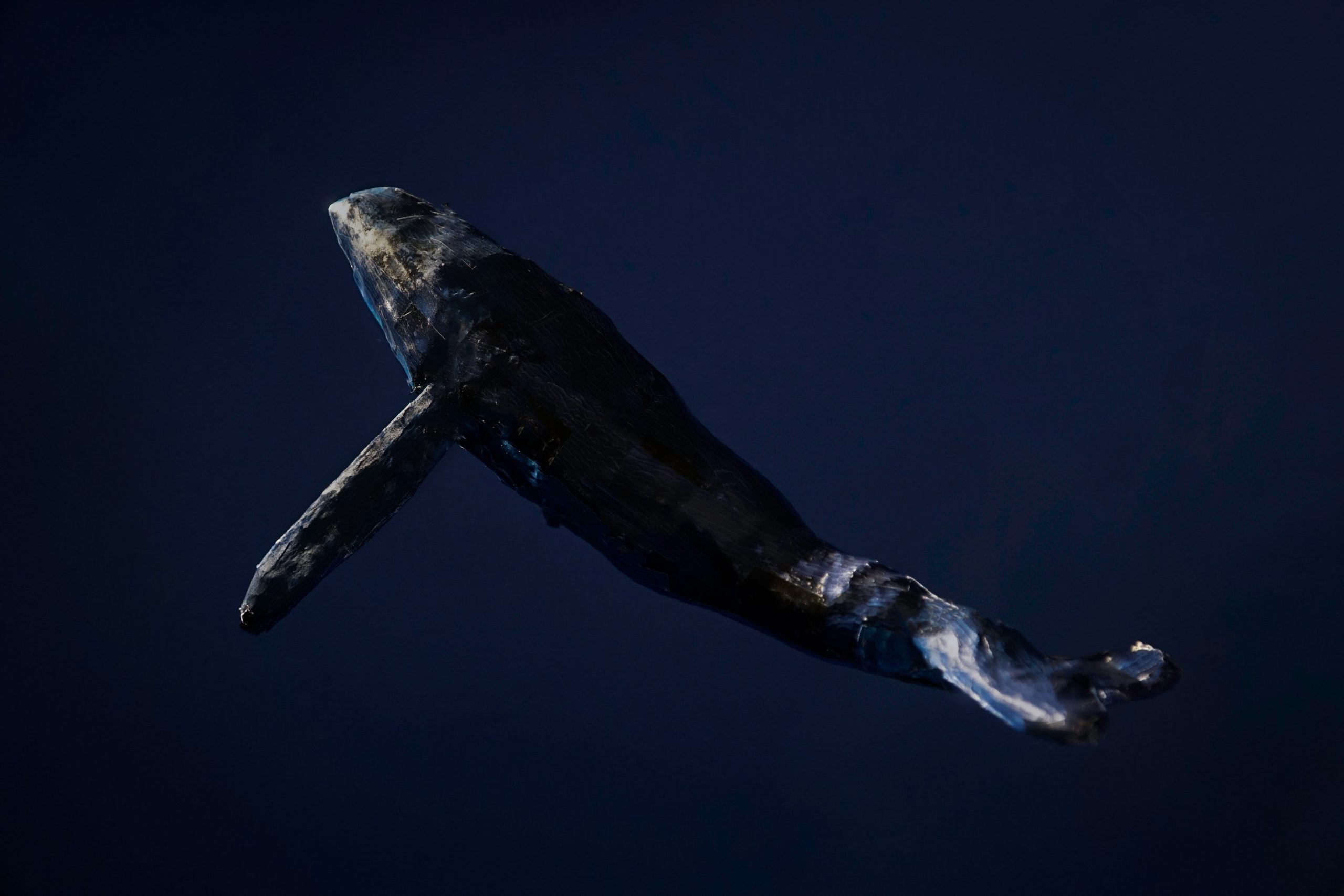
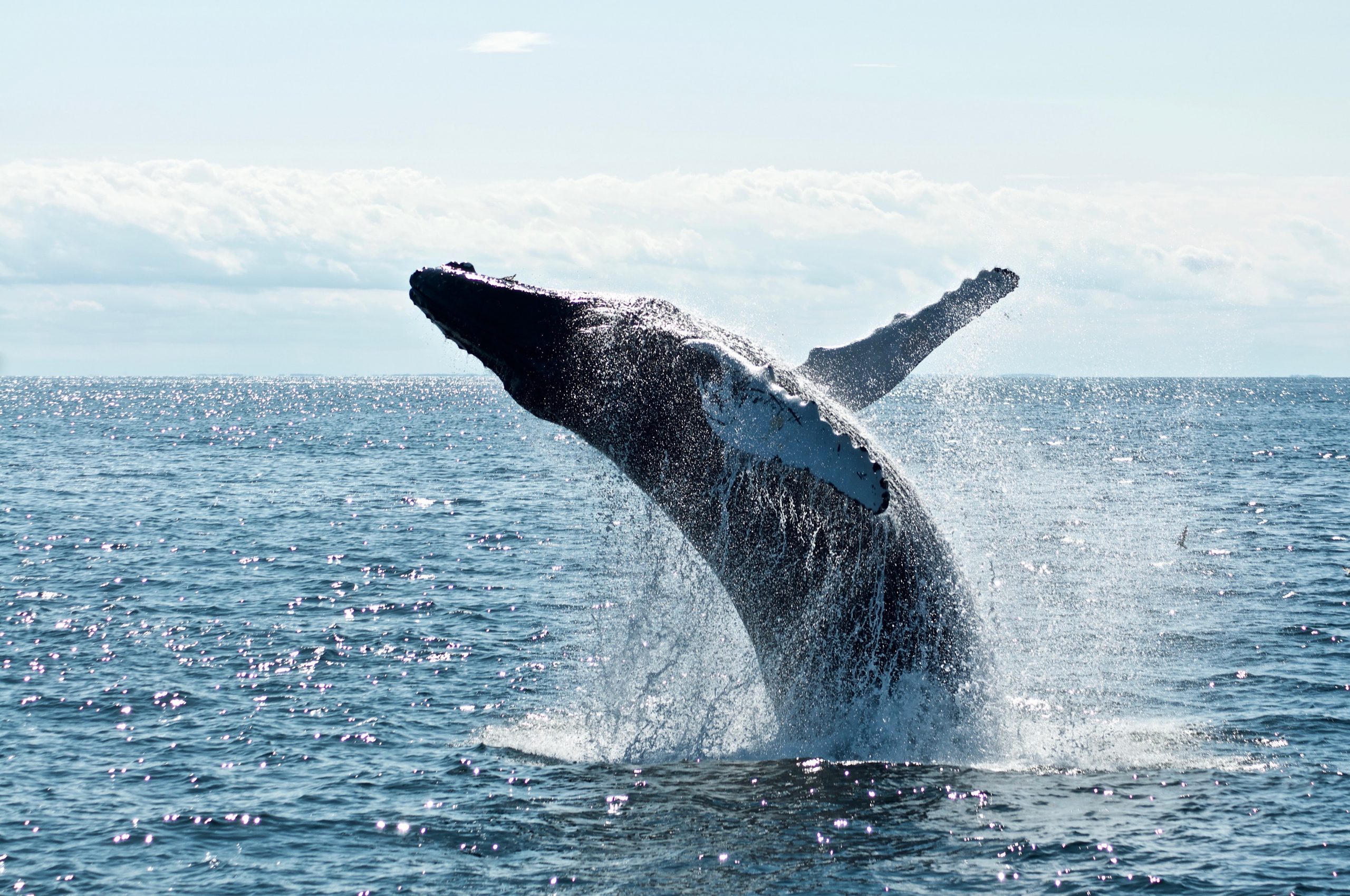
As the climate continues to warm, a new and exciting phenomena that has transpired over the last couple of years has been our very own Gold Coast Bay becoming a birthing and nursing ground for humpback whales. Gold Coast whale watching is featuring more and more cow-calf pair sightings from Surfers Paradise to Coolangatta. This is testament to how climate change has affected the behaviors and migratory routes of humpback whales.
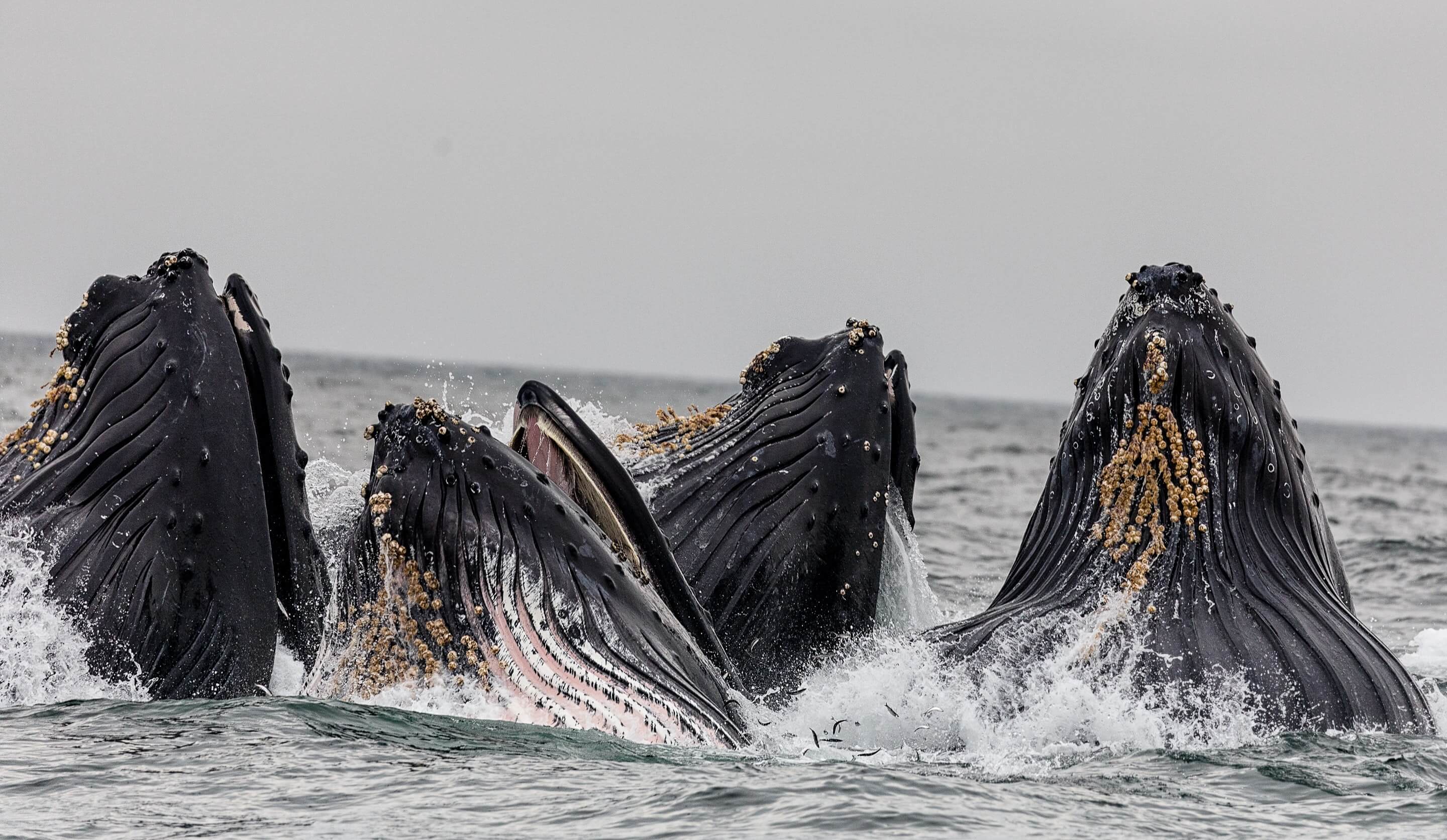
Not too many years ago, humpback whales were seen breeding predominantly in the Great Barrier Reef, and now, we have found them calving 1,000km further down south, here, in the Gold Coast Bay. Warmer waters and warmer climates can be attributed to this change. Typically, humpback whales prefer nursing their calves in water temperatures ranging from 19 to 28 degrees Celsius, making southern Queensland the perfect environment with its warm, shallow, tropical and subtropical waters. Whale watching on the Gold Coast has truly become an exciting adventure to partake in.
Lucky are we to call the Gold Coast Bay our home, as we have the unique opportunity to witness how these magnificent creatures birth and nurse their young. The gestation period for a humpback whale is approximately 11 months, and mothers are known to carry and birth only 1 calf at a time. The mothers then devote the next year of their lives to assuring their babies are nursed and weaned properly. So to have the privilege to see
a mother and newborn humpback whale in their natural element is quite a remarkable feat to witness while experiencing Gold Coast whale watching.
Humpback whales are incredibly attuned to the many dangers surrounding their calves and the many predators lurking, especially killer whales. Therefore, they selectively choose birthing and nursing grounds closer to the coastline providing more protection from these natural predators. Interestingly enough, we see some of the cows and last year’s calves as some of the first whales to past the coast of Coolangatta to again proceed to their migratory routes specific to the time of year and the whales’ certain needs (i.e. feeding, resting, breeding, or nursing). Cooly Eco Adventures is proud to share this opportunity of whale watching on the Gold Coast as these awe-inspiring humpback whales grace our shores during their birthing and nursing cycles.
Book an exhilarating whale watching tour on the Gold Coast with us today to familiarize yourself with these gentle giants, and learn more exciting facts about the magnificent humpback whale!
You can see them for yourself on our whale watching tour on the Gold Coast.